I have never been comfortable being a "dissident" and I don't identify myself as one. It isn't my nature to be comfortable standing out in a crowd because my beliefs differ from those of the majority. Those who know me would say that I am usually most comfortable blending in and making my waves behind the scenes.
At this moment, however, I find myself sticking my neck out during the biggest mass-vaccine campaign in American history with the counter-message of "Make your own decision." Is that really so radical? And while there is some discomfort for me personally in being identified as one who is sharing a message that is not universally held, my need to educate and assuage fear is overpowering my need to protect my ego.
I have been immersed in research about the Swine Flu steadily for a month now. I have read scientific studies, watched television reports, followed the CDC and WHO, read mainstream medical advice, read alternative medical advice, read articles and interviews, and personally interviewed medical professionals whom I trust. In my post of Oct. 5 on the Swine Flu I made a blanket statement that one should not get the swine flu shot. Due to my continued research on the topic I feel the need to qualify that statement for several reasons:
1) Squalene is not present in the swine flu shot in the US although it was present in the trial vaccine and is present in doses in Europe. The presence of squalene was one of my reasons for cautioning against the Swine Flu shot. There is Thimerosol present however, a mercury-based preservative, in the multi-dose vials of the H1N1 vaccine. It is not present in single dose vials. People who want to avoid thimerosal-containing Swine Flu and seasonal flu vaccines must get the FluMist or the single dose shots. medicinenet.com While everyone should have this choice, single dose vaccines may not be available for every person in every location during every week of the vaccination campaign. The FDA has stated its continuing efforts to remove thimerosol from all vaccines, in particular for children under the age of 6. The reason that it is present in the H1N1 vaccine, and in the regular flu shot in general, is due to expediency of vaccine production.
2) The uncertainty of this disease is more than some people can take. Will I get it? Will I not? What if I do? What if I don't get the shot but I get really sick or make someone in my family really sick? How do I best protect my family and who will take care of the kids if I am sick? The list goes on and on. I feel that for many people their belief in and sense of security around vaccines can outweigh the "what-if's" of developing the disease, and in these cases the ease of mind that comes with the belief system "I am vaccinated therefore protected" can mitigate a lot of stress which could make one more susceptible to illness. These are people who, after doing their work around the safety and efficacy of flu shots, may consider getting a vaccine simply to ease their mind. I have great concerns about children under the age of 9 receiving two Swine Flu shots, which is what has been shown in trials to be necessary for an immune response for that age group. Especially if they are also receiving 2 regular flu shots this year. I would caution parents to exercise their right to request thimerosol-free vaccine, and to ask their doctor a lot of questions, including seeing the package insert that comes with each vial of vaccine and making note of the company who makes the vaccine, the lot and batch number, date of production and any other identifiying information, a list of all ingredients, and possible side-effects, in case there is a vaccine reaction.
3) I can be naive when it comes to the general health of most Americans. While the optimist-naturopathic doctor in me would like to think that most folks take probiotics, Vitamin D3 and cod liver oil every day, stock up on Zinc and Vitamin C, eat whole foods, exercise, rest, drink water and generally pay attention to their overall health and well-being (see my blog posting of 10/5/09), I know that most do not. So perhaps it was irresponsible of me to suggest that one not get the vaccine without better knowledge of the immune and overall health status of my readers. I do believe that one can turn one's health around quickly by making simple dietary and lifestyle changes and this is ultimately what I urge my readers and my patients to do, but if one isn't willing to do the work, perhaps they should protect themselves and those around them with a vaccine.
4) I have since learned more about why pregnant women are especially vulnerable to the flu. In addition to being generally immune compromised there is an increase of blood and fluids in their bodies everywhere including the lungs. As well the diaphragm pushes up on the lungs during pregnancy causing compression and decreased lung volume, decreased lung function and compromises the lung's ability to clear out pathogens leading to a greater possibility of secondary infections. Keep in mind that these physical conditions are present for all pregnant women whether or not a flu epidemic is brewing.
While pregnant women are, along with other immune-compromised folks, or perhaps more importantly their family members, the only people on my list who might consider the swine flu vaccine if this pademic ever really gets off the ground, I feel very strongly that these populations (and anyone at all receiving a Swine Flu Shot) request a vaccine WITHOUT THIMEROSOL.
Having said that, the H1N1 vaccine has not been tested on pregnant women, nursing women, and children according to vaccine package inserts. Also according to flu vaccine package insert, immune compromised folks and those taking immunosuppressive drugs may not have a beneficial and protective immune response from the vaccine. Yet children, pregnant women and immune compromised people are the populations being targeted by the H1N1 Vaccine campaign.
Getting a vaccine does not guarantee prevention of the flu. A vaccine will help the body launch an immune response which may be enough to prevent one from getting sick or it may give the body's body's immune response a head start so that symptoms are lessened; you get sick, but less severely and for a shorter duration.
Yet in July the CDC stopped tracking the spread of Swine Flu and created a new reporting system. The rationale was: why waste resources testing for H1N1 flu when the government has already confirmed there's an epidemic? The new reporting system, up and running as of Oct. 1, lumps together all influenza-like illness including influenza A (of which Swine flu is one) pneumonia, and influenza B. As an example: I was looking at the U.S. statistics for the week of Oct 10-17 on the CDC website. There were 12,943 cases tested for influenza nationally, 4,844 were positive for H1N1, 11 were Influenza B, the rest (8,000) were undetermined. If 8,000, or 2/3, of tests performed were negative for Swine Flu, where is the epidemic? And why are we lumping together all influenza-like illness (ILI) when we haven't even hit the high season for Influenza B yet? And what about the other 8,000 unidentified illnesses? Aren't they the cause of most illness?
A study released by Purdue University Researchers and published in the Oct. 15 edition of the European Scientific Journal Eurosurveillance, claims that at this point the vaccine will have little effect on the number of infections because as much of 60% of the population has already been infected. The researchers went on to report that up to 60% of seasonal influenza infections are asymptomatic. That means that one may not present with classic flu symptoms, or have any symptoms at all, but will still be building antibodies against the seasonal virus.
Yet, although the CDC is no longer counting cases, they are recommending that anyone with "presumed" H1N1 without a lab test, even if diagnosed by a doctor, still get the H1N1 vaccine.
So let me make sure I got this right: the CDC stopped counting H1N1 cases in August saying that it wasted too many resources to keep up with the mounting pandemic, so they suggested that all influenza-like-illness be lumped into one category. Many, including CBS news after three months of investigation, believe that H1N1 numbers are overestimated as the cause of most ILI this fall. And the Purdue researchers say that most folks have already been exposed to H1N1 and as a result the timing of vaccine so late in the pregression of the epidemic may not prove to help quell numbers at all. The CDC says that Swine Flu numbers are underrepresented due to the small fraction of cases being tested and reported, suggesting that much higher numbers have been infected, yet still recommends mass-vaccination except in cases where one has had a positive H1N1 test.
If your head isn't spinning by now you aren't paying attention!!
Many scientists believe the cause of death in the Swine Flu pandemic of 1918 was primarily bacterial due to secondary illness, not viral. The theory is that the swine flu weakened the immune system making it more vulnerable to further attack by the regular slate of opportunistic pathogens such as respiratory syncytial virus, bocavirus, coronavirus and rhinovirus that cause the symptoms known as "influenza-like illness". It is common, in a flu season, to have no known cause for up to 2/3 of "flu" cases.
The other thing that really concerns me about this supposed epidemic and its relationship to the vaccine, is the protection, or immunity from liability, that the American government has granted the five vaccine manufacturers. If we are so certain about the efficacy and safety of this vaccine that we are putting our pregnant women and children on the front lines, why then aren't the vaccine manufacturers held responsible?
Ultimately I believe that the public health goal is a noble one, to protect the rights and lives of all people. I believe that individuals, under expert advisement, should make their own decisions about their health, not the government. I believe that there is no better way for the American Government to ensure the safety of the American people than by educating them about their health options and empowering them to choose what is best for themselves and their children. So far we still have that freedom despite the current pressure of the U.S. vaccine campaign. Let's stick our necks out and make ourselves uncomfortable to keep it that way.
October 29, 2009


October 5, 2009
No Need To Panic About the Swine Flu
The media is a powerful tool with influence over great masses of people. The Swine Flu scare is a perfect example of hype and misinformation. There is only one perspective made available in the mainstream media, one of fear and alarmism. When it comes to health information sometimes one must dig to get both sides of the issue.
To my suprise I didn't have to dig very deep to find a reliable source for the actual statistics of this disease: the CDC.
The good news
The CDC website claims that there is an increase in ILI or "influenza-like illness" for this time of year characterized by classic influenza symptoms: fever, runny nose, sore throat, cough, body aches and sometimes vomiting. Hospital rates are higher for this time of year but lower than during a seasonal influenza outbreak. A very interesting statistic is the number of deaths from influenza and pneumonia are "low and within the bounds of what is expected for this time of year." This is significant because this time of year is not one where we typically see influenza - so if the deaths are low to normal while H1N1 is spreading, that is encouraging and reflective of a milder illness than we have been fearing.
More good news: H1N1 is proving to be sensitive to the antiviral drugs oseltamivir and zanamivir. You may find it reassuring that if you or a family member becomes very ill with Swine Flu, these conventional medications are available to thwart the progression of the virus. It is important, however, that one not use these medications unless very ill, as resistant strains of the virus can develop if antivirals are overused.
The bad news is that the the rates of infection continue to rise as this is a very contagious illness. The other bad news is the hype is causing people to unnecessarily visit emergency rooms with mild illness, creating the need for temporary tents to handle the increased demand for care and to keep the infected away from those with more serious health problems for whom H1N1 could be disastrous: the immune compromised, those with asthma and heart conditions, the very old and the very young.
The CDC states the following guidelines for when to seek medical care:
"A person should seek medical care if they experience shortness of breath or difficulty breathing, or if a fever continues more than three days. For parents with a young child who is ill, seek medical care if a child has fast or labored breathing, continuing fever or convulsions (seizures)." The CDC also states: "supportive care at home, such as resting, drinking plenty of fluids, and using a pain reliever for aches - is adequate for recovery in most cases."
The Vaccine
This disease is proving mild enough that the vaccine is not necessary and could have long-term effects much worse than the temporary inconvenience of the illness. It is important to keep in mind that the H1N1 vaccine is still experimental and short and long-term risks have not yet been identified. H1N1 vaccine trials began August '09 and will continue for 13 months. In 1976 during the last Swine Flu outbreak, 43 million people were vaccinated with a then still experimental vaccine. In addition to the outbreak never really materializing (the illness did not spread beyond 240 soldiers at Fort Dix, NJ), 500 Americans came down with a rare neurodegenerative condition called Guillain-Barre Syndrome which many experts believe was linked to the vaccine. Twenty-five of those 500 died. In addition some experts believe that "Gulf War Syndrome" is related to the antibody reaction to the adjuvant "squalene" in the then still experimental Anthrax Vaccine. This has been a hotly debated topic over the years especially since soldiers who never saw combat also had symptoms of Gulf War Syndrome.
The Seattle Times reported 10/1/09 that the State of Washington's Health Dept has temporarily suspended the FDA rule that limits the amount of mercury preservative Thimerosol given to pregnant women and children under the age of 3. The stated reason for the additional mercury is to kill bacteria that could be be present on the needle when it is introduced to withdraw the medication. We do not have good studies that explore the effects of thimerosol on pregnant women and young children as these are populations excluded from vaccine trials.
As well there is a laundry list of additional potential ingredients including preservatives, antibiotics and additional viruses. The vaccine for the swine flu trials contains MF59, or "squalene", an adjuvant (substance added to a vaccine to improve the immune response so less vaccine is needed) that is not FDA approved. This ingredient is not listed in the ingredients list of the swine flu vaccine available to the public, therefore the vaccines used in the trials and the vaccines for the public are different. Changing the ingredients from trial to mass production is a common practice in vaccine development. The public will be unwilling members of an experimental drug trial by receiving the vaccine.
There is recent information from Canadian scientists indicating that those who received the regular flu shot last flu season are twice as likely to contract the swine flu this season. This is considered controversial information as the data has not been officially published and is being debated by the experts. I do feel that it is significant information however and should be factored into the decision to vaccinate or not.
More Good News: Natural Treatment and Prevention
1) Probiotics (good "gut bugs") - are an effective way to reduce the effects of illness in children. A recent study published in the Journal Pediatrics revealed that daily dietary probiotic supplementation is effective in warding off colds and flu. In the study the children aged 3-5 who received probiotic therapy had 50-70% fewer colds and flu compared to the control group who did not receive any probiotic therapy. This is a very significant finding as up until now the only natural agents that I have known to be proven to shorten the duration of viruses are Vitamin C, Zinc and Elderberry. There is now good data to show that probiotics prevent AND shorten the duration of illness. Yee Haw! One per day for adults and children.
2) Vitamin D3 - almost two-thirds of the children who have died of the Swine Flu have had epilepsy, cerebral palsy, or other neurodevelopmental conditions like mental retardation. What these conditions have in common is that they are all associated with Vitamin D deficiency. There is a great story on the Vitamin D Council website of a residential care facility in Wisconsin which treats with and regularly monitors the vit. D levels of its residents. Recently the Swine Flu hit their area very hard and only 2 of 275 residents contracted it, while 103 staff members whose vitamin D levels were not monitored and treated did contract the disease. It is important to remember that the active form of Vitamin D is "D3 or Cholecalciferol" - D2 is not as biologically available and may not convert to the active form of Vit. D in the tissues.
Dr Waddell of the Vitamin D Council suggests 1,000 IU Vitamin D3 per 25 lbs of body weight as a maintenance dose. It is important to monitor serum levels of Vitamin D3 to make sure that they are at optimal levels.
3) Elderberry Extract - Long-used as an immunity enhancer, we now know that it also prevents viral replication by smoothing down the spikes (hemagluttinin) on the surface of a virus used to puncture through healthy cell walls. A product called DART Immunity Take Care by New Chapter/New Mark is something that my patients and family have benefitted from for a couple years now. It is your own personal anti-viral in a delicious, berry flavored tablet. Most kids are happy to chew them and one/day is all it takes when you are feeling ill or have been exposed to a virus. A must for every home medicine cabinet. Take one lozenge when you have been exposed to a virus or someone in your home is ill.
4) Vitamin C and Zinc - These two time honored immune soldiers don't get enough appreciation. Both have been shown to shorten the duration of common colds and viruses by boosting natural immunity. Vit. C also acts as a natural antihistamine that helps dry up watery eyes and reduce nasal and chest congestion. It is also a powerful antioxidant that can help prevent and clean-up the damage that a body endures when fighting viruses and bacteria. Vitamin C, with bioflavonoids: 1,000 mg every few hours throughout the day, up to bowel tolerance. (Vit C can cause loose stools, so reduce amount as necessary).
Zinc lozenges, preferably with 3 mg copper, every few hours, up to 70 mg daily during a cold and 30 mg daily as a preventive.
Children: under 25 lbs take ¼ of adult dose, 25 – 50 lbs take 1/3 of adult dose.
5) Homeopathic Remedies - Homeopathy is a deep-acting and profound system of medicine that is based on the Law of Similars that has been in use for over 200 years. Homeopathic remedies do not treat the disease directly but stimulate the body to re-balance and heal itself. See separate posting on homeopathic remedies for colds and flu.
6) Oscillococcinum – Studies have shown that this combination homeopathic preparation is effective against the very first signs of flu. To be taken as soon as chills, fever, aches, etc start. Found in health food stores. Follow the directions on the box. Completely non-toxic and safe for kids.
The Take Home
The H1N1 flu, or "Swine Flu" - is a virus. It is a new one, so in addition to the "flu" virus that goes around every year (Influenza B) we now have another one to contend with (Influenza A). The good news is that most health authorities, including the CDC, agree that it is "mild" and in most cases even milder than the annual flu that we hide from every year. Prevention is the best medicine, so by boosting your vitamin D levels, taking probiotics regularly, and stocking up on natural remedies such as DART immune, vitamin C, Zinc and homeopathic remedies you and your family can breathe a sigh of relief that you are taking steps that can increase your family's chances of staying healthy. Good old fashioned hand-washing is also a very effective way to prevent spread. I have my children wash their hands as soon as they come home from school every day, and take a probiotic...
To my suprise I didn't have to dig very deep to find a reliable source for the actual statistics of this disease: the CDC.
The good news
The CDC website claims that there is an increase in ILI or "influenza-like illness" for this time of year characterized by classic influenza symptoms: fever, runny nose, sore throat, cough, body aches and sometimes vomiting. Hospital rates are higher for this time of year but lower than during a seasonal influenza outbreak. A very interesting statistic is the number of deaths from influenza and pneumonia are "low and within the bounds of what is expected for this time of year." This is significant because this time of year is not one where we typically see influenza - so if the deaths are low to normal while H1N1 is spreading, that is encouraging and reflective of a milder illness than we have been fearing.
More good news: H1N1 is proving to be sensitive to the antiviral drugs oseltamivir and zanamivir. You may find it reassuring that if you or a family member becomes very ill with Swine Flu, these conventional medications are available to thwart the progression of the virus. It is important, however, that one not use these medications unless very ill, as resistant strains of the virus can develop if antivirals are overused.
The bad news is that the the rates of infection continue to rise as this is a very contagious illness. The other bad news is the hype is causing people to unnecessarily visit emergency rooms with mild illness, creating the need for temporary tents to handle the increased demand for care and to keep the infected away from those with more serious health problems for whom H1N1 could be disastrous: the immune compromised, those with asthma and heart conditions, the very old and the very young.
The CDC states the following guidelines for when to seek medical care:
"A person should seek medical care if they experience shortness of breath or difficulty breathing, or if a fever continues more than three days. For parents with a young child who is ill, seek medical care if a child has fast or labored breathing, continuing fever or convulsions (seizures)." The CDC also states: "supportive care at home, such as resting, drinking plenty of fluids, and using a pain reliever for aches - is adequate for recovery in most cases."
The Vaccine
This disease is proving mild enough that the vaccine is not necessary and could have long-term effects much worse than the temporary inconvenience of the illness. It is important to keep in mind that the H1N1 vaccine is still experimental and short and long-term risks have not yet been identified. H1N1 vaccine trials began August '09 and will continue for 13 months. In 1976 during the last Swine Flu outbreak, 43 million people were vaccinated with a then still experimental vaccine. In addition to the outbreak never really materializing (the illness did not spread beyond 240 soldiers at Fort Dix, NJ), 500 Americans came down with a rare neurodegenerative condition called Guillain-Barre Syndrome which many experts believe was linked to the vaccine. Twenty-five of those 500 died. In addition some experts believe that "Gulf War Syndrome" is related to the antibody reaction to the adjuvant "squalene" in the then still experimental Anthrax Vaccine. This has been a hotly debated topic over the years especially since soldiers who never saw combat also had symptoms of Gulf War Syndrome.
The Seattle Times reported 10/1/09 that the State of Washington's Health Dept has temporarily suspended the FDA rule that limits the amount of mercury preservative Thimerosol given to pregnant women and children under the age of 3. The stated reason for the additional mercury is to kill bacteria that could be be present on the needle when it is introduced to withdraw the medication. We do not have good studies that explore the effects of thimerosol on pregnant women and young children as these are populations excluded from vaccine trials.
As well there is a laundry list of additional potential ingredients including preservatives, antibiotics and additional viruses. The vaccine for the swine flu trials contains MF59, or "squalene", an adjuvant (substance added to a vaccine to improve the immune response so less vaccine is needed) that is not FDA approved. This ingredient is not listed in the ingredients list of the swine flu vaccine available to the public, therefore the vaccines used in the trials and the vaccines for the public are different. Changing the ingredients from trial to mass production is a common practice in vaccine development. The public will be unwilling members of an experimental drug trial by receiving the vaccine.
There is recent information from Canadian scientists indicating that those who received the regular flu shot last flu season are twice as likely to contract the swine flu this season. This is considered controversial information as the data has not been officially published and is being debated by the experts. I do feel that it is significant information however and should be factored into the decision to vaccinate or not.
More Good News: Natural Treatment and Prevention
1) Probiotics (good "gut bugs") - are an effective way to reduce the effects of illness in children. A recent study published in the Journal Pediatrics revealed that daily dietary probiotic supplementation is effective in warding off colds and flu. In the study the children aged 3-5 who received probiotic therapy had 50-70% fewer colds and flu compared to the control group who did not receive any probiotic therapy. This is a very significant finding as up until now the only natural agents that I have known to be proven to shorten the duration of viruses are Vitamin C, Zinc and Elderberry. There is now good data to show that probiotics prevent AND shorten the duration of illness. Yee Haw! One per day for adults and children.
2) Vitamin D3 - almost two-thirds of the children who have died of the Swine Flu have had epilepsy, cerebral palsy, or other neurodevelopmental conditions like mental retardation. What these conditions have in common is that they are all associated with Vitamin D deficiency. There is a great story on the Vitamin D Council website of a residential care facility in Wisconsin which treats with and regularly monitors the vit. D levels of its residents. Recently the Swine Flu hit their area very hard and only 2 of 275 residents contracted it, while 103 staff members whose vitamin D levels were not monitored and treated did contract the disease. It is important to remember that the active form of Vitamin D is "D3 or Cholecalciferol" - D2 is not as biologically available and may not convert to the active form of Vit. D in the tissues.
Dr Waddell of the Vitamin D Council suggests 1,000 IU Vitamin D3 per 25 lbs of body weight as a maintenance dose. It is important to monitor serum levels of Vitamin D3 to make sure that they are at optimal levels.
3) Elderberry Extract - Long-used as an immunity enhancer, we now know that it also prevents viral replication by smoothing down the spikes (hemagluttinin) on the surface of a virus used to puncture through healthy cell walls. A product called DART Immunity Take Care by New Chapter/New Mark is something that my patients and family have benefitted from for a couple years now. It is your own personal anti-viral in a delicious, berry flavored tablet. Most kids are happy to chew them and one/day is all it takes when you are feeling ill or have been exposed to a virus. A must for every home medicine cabinet. Take one lozenge when you have been exposed to a virus or someone in your home is ill.
4) Vitamin C and Zinc - These two time honored immune soldiers don't get enough appreciation. Both have been shown to shorten the duration of common colds and viruses by boosting natural immunity. Vit. C also acts as a natural antihistamine that helps dry up watery eyes and reduce nasal and chest congestion. It is also a powerful antioxidant that can help prevent and clean-up the damage that a body endures when fighting viruses and bacteria. Vitamin C, with bioflavonoids: 1,000 mg every few hours throughout the day, up to bowel tolerance. (Vit C can cause loose stools, so reduce amount as necessary).
Zinc lozenges, preferably with 3 mg copper, every few hours, up to 70 mg daily during a cold and 30 mg daily as a preventive.
Children: under 25 lbs take ¼ of adult dose, 25 – 50 lbs take 1/3 of adult dose.
5) Homeopathic Remedies - Homeopathy is a deep-acting and profound system of medicine that is based on the Law of Similars that has been in use for over 200 years. Homeopathic remedies do not treat the disease directly but stimulate the body to re-balance and heal itself. See separate posting on homeopathic remedies for colds and flu.
6) Oscillococcinum – Studies have shown that this combination homeopathic preparation is effective against the very first signs of flu. To be taken as soon as chills, fever, aches, etc start. Found in health food stores. Follow the directions on the box. Completely non-toxic and safe for kids.
The Take Home
The H1N1 flu, or "Swine Flu" - is a virus. It is a new one, so in addition to the "flu" virus that goes around every year (Influenza B) we now have another one to contend with (Influenza A). The good news is that most health authorities, including the CDC, agree that it is "mild" and in most cases even milder than the annual flu that we hide from every year. Prevention is the best medicine, so by boosting your vitamin D levels, taking probiotics regularly, and stocking up on natural remedies such as DART immune, vitamin C, Zinc and homeopathic remedies you and your family can breathe a sigh of relief that you are taking steps that can increase your family's chances of staying healthy. Good old fashioned hand-washing is also a very effective way to prevent spread. I have my children wash their hands as soon as they come home from school every day, and take a probiotic...
June 2, 2009
Easy Chicken Broth and Chicken Soup
Now that you know how to Roast a Chicken, making broth couldn't be simpler. You will need a large soup pot or medium sized crock pot. I prefer the crock put because I put the ingredients in after dinner, turn it on, and when I wake up the broth is done.
Chicken Broth
1. Cut the remaining chicken off the carcass and store in frig.
2. Place the chicken carcass, drippings, leftover bones and any leftover vegetables in the crock pot or soup pot.
3. Fill with filtered water until the water just covers, or almost covers, the top of the chicken. Add 1-2 tsp apple cider vinegar which will break down the bonds in the bones releasing minerals into the broth.
4. You may add fresh onion, celery, parsley and carrots as desired. This will add additional nutrition and flavor to the broth.
5. Turn crock pot on high until boiling, skim any scum that accumulates on the top, then turn to low overnight. In soup pot: bring to boil then simmer for at least three hours.
6. Remove bones and strain vegetables. You may use the broth as is or refrigerate and skim off the fat that congeals on top. The broth may be kept in the refrigerator and stays viable for up to two weeks, or freeze for months. I prefer to store my broth in glass containers. Leave room at the top for expansion in the freezer.
Chicken Soup
The preparation for this meal is minimal when you have broth and leftover chicken.
1. Simmer broth in soup pot
2. Add desired chopped vegetables such as carrots, onion, broccoli and kale. Cover and cook until al dente.
3. Season with sea salt and pepper, lemon and other desired herbs (parsley, thyme, oregano, cilantro, basil, etc)
4. Add pre-cooked brown rice or potatoes as desired. These can also be cooked right in the broth but rice will absorb much of the broth and potatoes will make the broth starchy. I prefer to cook them separately and add them at the end.
That's it! Enjoy!
Chicken Broth
1. Cut the remaining chicken off the carcass and store in frig.
2. Place the chicken carcass, drippings, leftover bones and any leftover vegetables in the crock pot or soup pot.
3. Fill with filtered water until the water just covers, or almost covers, the top of the chicken. Add 1-2 tsp apple cider vinegar which will break down the bonds in the bones releasing minerals into the broth.
4. You may add fresh onion, celery, parsley and carrots as desired. This will add additional nutrition and flavor to the broth.
5. Turn crock pot on high until boiling, skim any scum that accumulates on the top, then turn to low overnight. In soup pot: bring to boil then simmer for at least three hours.
6. Remove bones and strain vegetables. You may use the broth as is or refrigerate and skim off the fat that congeals on top. The broth may be kept in the refrigerator and stays viable for up to two weeks, or freeze for months. I prefer to store my broth in glass containers. Leave room at the top for expansion in the freezer.
Chicken Soup
The preparation for this meal is minimal when you have broth and leftover chicken.
1. Simmer broth in soup pot
2. Add desired chopped vegetables such as carrots, onion, broccoli and kale. Cover and cook until al dente.
3. Season with sea salt and pepper, lemon and other desired herbs (parsley, thyme, oregano, cilantro, basil, etc)
4. Add pre-cooked brown rice or potatoes as desired. These can also be cooked right in the broth but rice will absorb much of the broth and potatoes will make the broth starchy. I prefer to cook them separately and add them at the end.
That's it! Enjoy!
Roasted Chicken Recipes
One of the most delightful and satisfying meals is roasted chicken. It's hard to get it wrong, the most important detail is the cooking time, which is 20 minutes/pound. If you don’t under or over cook the chicken you can’t go wrong. Find a whole, organic chicken. It will often contain a bag of giblets in the cavity so be sure to remove that before cooking. There are MANY ways to roast a chicken. Here are my two favorites:
Option #1 – Roasted Whole Chicken with Vegetables
1. Place the whole chicken breast-side-up in a generous sized roasting pan (at least 9x11)
2. Rub or drizzle a bit of butter or olive oil on the chicken
3. Chop 2 or 3 potatoes, 2 onions and lots of baby carrots or 4 chopped carrots and assemble around the chicken in the roasting pan (broccoli is also good, as is celery and any of your other favorite vegetables)
4. Sprinkle with Trader Joe’s Poultry Seasoning and salt and pepper and place in the oven at 350 F, 20 minutes per pound (a 5 lb chicken will be 100 minutes, a 3 lb chicken will be 60 min, etc.)
5. Every now and then place a wooden spoon into the cavity, tip the chicken so the juices run out into the pan, then baste the chicken (a spoon works fine) and stir the vegetables.
6. Chicken will be done right when the timer goes off! Check for doneness by cutting into the breast and looking for red juices, or tip chicken as in step #5 and notice if the juices are red or clear. When they are clear the chicken is done.
Option #2 – Roasted Whole Chicken with Lemon
1. Place the whole chicken breast-side-up in a generous-sized roasting pan
2. Rub or drizzle a bit of butter or olive oil on the chicken
3. Quarter 3 or 4 lemons and place inside the cavity
4. Sprinkle with Trader Joe’s Poultry Seasoning and salt and pepper and place in the oven at 350 F, 20 minutes per pound. (A 5 lb chicken will be 100 minutes, a 3 lb chicken will be 60 min, etc.) Occasionally will take longer when the cavity is filled so check for doneness by tipping as described above in #6.
Gravy Option: Pour some drippings into a saucepan or frying pan. Add a little boiling water to thin consistency. Simmer over low/medium heat stirring constantly adding cornstarch 1 Tbsp at a time to desired consistency. Add salt and pepper to taste.
Serve with brown rice and a crunchy salad and enjoy!
Option #1 – Roasted Whole Chicken with Vegetables
1. Place the whole chicken breast-side-up in a generous sized roasting pan (at least 9x11)
2. Rub or drizzle a bit of butter or olive oil on the chicken
3. Chop 2 or 3 potatoes, 2 onions and lots of baby carrots or 4 chopped carrots and assemble around the chicken in the roasting pan (broccoli is also good, as is celery and any of your other favorite vegetables)
4. Sprinkle with Trader Joe’s Poultry Seasoning and salt and pepper and place in the oven at 350 F, 20 minutes per pound (a 5 lb chicken will be 100 minutes, a 3 lb chicken will be 60 min, etc.)
5. Every now and then place a wooden spoon into the cavity, tip the chicken so the juices run out into the pan, then baste the chicken (a spoon works fine) and stir the vegetables.
6. Chicken will be done right when the timer goes off! Check for doneness by cutting into the breast and looking for red juices, or tip chicken as in step #5 and notice if the juices are red or clear. When they are clear the chicken is done.
Option #2 – Roasted Whole Chicken with Lemon
1. Place the whole chicken breast-side-up in a generous-sized roasting pan
2. Rub or drizzle a bit of butter or olive oil on the chicken
3. Quarter 3 or 4 lemons and place inside the cavity
4. Sprinkle with Trader Joe’s Poultry Seasoning and salt and pepper and place in the oven at 350 F, 20 minutes per pound. (A 5 lb chicken will be 100 minutes, a 3 lb chicken will be 60 min, etc.) Occasionally will take longer when the cavity is filled so check for doneness by tipping as described above in #6.
Gravy Option: Pour some drippings into a saucepan or frying pan. Add a little boiling water to thin consistency. Simmer over low/medium heat stirring constantly adding cornstarch 1 Tbsp at a time to desired consistency. Add salt and pepper to taste.
Serve with brown rice and a crunchy salad and enjoy!
Roasting a Chicken and Brothmaking 101
In my posting The Goods on Fat I wrote about the importance of including healthy fats in a well-balanced diet. One of the first nutritional suggestions I make to all my patients is to roast a chicken once a week. A roasted chicken is soul food – it is ridiculously simple to prepare yet yields a succulent main dish that is full of protein, minerals and healthy fat that is so exceedingly satisfying that you feel you’re getting away with something.
After the roasted chicken is consumed I make broth. My parents who tend toward the sarcastic used to joke about “consecrated chicken soup.” In my childhood naivete I didn’t understand why that was so funny, but later as I learned about the truly nutritive and healing qualities of chicken broth, and became aware of how it has been revered over time as a cure-all in cultures all over the world, the joke made sense. The old wives’ tales made claims of healing the sick and aiding digestion. Modern science confirms that chicken broth high in minerals such as calcium, magnesium and phosphorus, does serve as an excellent mineral source and electrolyte replacer, and it contains enzymes that contribute to the immune process and aid digestion. Chicken broth also contains gelatin which is healing to the digestive tract as it aids in digestion and ultimately decreases inflammation.
A roasted chicken is an incredibly economical meal choice as you get at least two meals out of the chicken. Please see my very simplified versions of how to roast a chicken and make chicken broth.
And yes, you are getting away with something – an epicurian pleasure without guilt. Now how often does that happen? Enjoy.
After the roasted chicken is consumed I make broth. My parents who tend toward the sarcastic used to joke about “consecrated chicken soup.” In my childhood naivete I didn’t understand why that was so funny, but later as I learned about the truly nutritive and healing qualities of chicken broth, and became aware of how it has been revered over time as a cure-all in cultures all over the world, the joke made sense. The old wives’ tales made claims of healing the sick and aiding digestion. Modern science confirms that chicken broth high in minerals such as calcium, magnesium and phosphorus, does serve as an excellent mineral source and electrolyte replacer, and it contains enzymes that contribute to the immune process and aid digestion. Chicken broth also contains gelatin which is healing to the digestive tract as it aids in digestion and ultimately decreases inflammation.
A roasted chicken is an incredibly economical meal choice as you get at least two meals out of the chicken. Please see my very simplified versions of how to roast a chicken and make chicken broth.
And yes, you are getting away with something – an epicurian pleasure without guilt. Now how often does that happen? Enjoy.
May 8, 2009
The Goods on Fat
Today a patient and I were discussing a whole foods diet. She was already aware of the importance of eating whole foods and had, she thought, transitioned her family to eating that way. She just about fell out of her chair when I suggested she try my Kid-Friendly Baked Chicken with skin-on, bone-in chicken thighs.
I went on to explain the importance of eating the skin and cooking with the bone in: the fat in the skin helps to assimilate the nutrients in the meat (and adds flabor), and the bone adds moisture and minerals.
I often find that my patients are feeling “deprived”- that there is something missing in their diets, a “soul food" - that they often seek outside of their meals. These are the people who are reaching for the chips and the ice cream. Perhaps what they are seeking is fat which helps them to feel satisfied and nourished from a meal and less likely to snack afterward.
Believe it or not, saturated fat, like that in chicken and meat, butter, eggs and olive oil, plays an important role in body chemistry. According to the Weston A Price Foundation saturated fat makes up more than half of the cell membrane as it is needed to provide the proper integrity to keep nutrients in and toxins out. It is needed to incorporate calcium and other minerals into tissues and bones. It protects the liver from toxins and enhances the immune system. Certain short and medium chain fatty acids (butter and coconut oil respectively) have properties that are antifungal and antimicrobial
I found a great article in The New York Times that discusses a study where researchers found that people on a relatively low-fat diet lost less weight than those who ate a low-carbohydrate, higher fat Mediterranean diet. The article goes on to discuss the effects of saturated fat on cholesterol levels suggesting that diets higher in saturated fat lead to better cholesterol levels than lower saturated fat diets.
Yes, you heard it correctly; in addition to tasting really good and contributing to overall health, saturated fat may actually be heart-protective. So go take a bite out of a drumstick and chew on that one for a while.
I went on to explain the importance of eating the skin and cooking with the bone in: the fat in the skin helps to assimilate the nutrients in the meat (and adds flabor), and the bone adds moisture and minerals.
I often find that my patients are feeling “deprived”- that there is something missing in their diets, a “soul food" - that they often seek outside of their meals. These are the people who are reaching for the chips and the ice cream. Perhaps what they are seeking is fat which helps them to feel satisfied and nourished from a meal and less likely to snack afterward.
Believe it or not, saturated fat, like that in chicken and meat, butter, eggs and olive oil, plays an important role in body chemistry. According to the Weston A Price Foundation saturated fat makes up more than half of the cell membrane as it is needed to provide the proper integrity to keep nutrients in and toxins out. It is needed to incorporate calcium and other minerals into tissues and bones. It protects the liver from toxins and enhances the immune system. Certain short and medium chain fatty acids (butter and coconut oil respectively) have properties that are antifungal and antimicrobial
I found a great article in The New York Times that discusses a study where researchers found that people on a relatively low-fat diet lost less weight than those who ate a low-carbohydrate, higher fat Mediterranean diet. The article goes on to discuss the effects of saturated fat on cholesterol levels suggesting that diets higher in saturated fat lead to better cholesterol levels than lower saturated fat diets.
Yes, you heard it correctly; in addition to tasting really good and contributing to overall health, saturated fat may actually be heart-protective. So go take a bite out of a drumstick and chew on that one for a while.
April 25, 2009
Trampolining for Good Health (and fun!)
The other day I had 30 minutes to kill until one kid awoke from a nap and two others needed to be picked up from school. I was eager to get some exercise and remembered the kids’ miniature trampoline of which my massage therapist speaks so highly. So I cranked some tunes and jumped and danced and gyrated and moved parts of my body in funny ways that felt good to me. It made me so happy! The half hour flew by and left me feeling much better than I had before.
"Rebounding" is great for lymph drainage. The lymph system is the detoxification system of the body made up of fluid, vessels and ducts. It allows for the fluid in-between the cells, which contains dead cells and toxins absorbed from the environment, to be carried into the blood or circulatory system, which then carries it away.
An example of your lymph system at work is when your “glands” are swollen. The last time you had a cold or sore throat you may have felt an enlargement of your glands in your neck. This is a sign that your lymph system is hard at work assisting the body in removing a pathogen or foreign invader of some kind.
The reason the trampoline works so well for moving the lymph is due to the gravitational pull that causes the valves of the lymph system to open and drain. Vigorous exercise such as running, walking and playing tennis will do this too. Other ways to assist in detoxifying your lymph system are manually via massage, castor oil packs and sweating. (My good friend Heather Manley ND has a great explanation of castor oil packs on her website.)
Mini trampolines are easy to find used. New they are $75-$350. Ours is borrowed from a friend, several years old, and it works great. Aside from all these fabulous health benefits, I recommend bouncing on a trampoline because it offers the best therapy that we can offer ourselves – fun. It will put a smile on your face, make you giggle a bit, and make you feel like a kid again.
"Rebounding" is great for lymph drainage. The lymph system is the detoxification system of the body made up of fluid, vessels and ducts. It allows for the fluid in-between the cells, which contains dead cells and toxins absorbed from the environment, to be carried into the blood or circulatory system, which then carries it away.
An example of your lymph system at work is when your “glands” are swollen. The last time you had a cold or sore throat you may have felt an enlargement of your glands in your neck. This is a sign that your lymph system is hard at work assisting the body in removing a pathogen or foreign invader of some kind.
The reason the trampoline works so well for moving the lymph is due to the gravitational pull that causes the valves of the lymph system to open and drain. Vigorous exercise such as running, walking and playing tennis will do this too. Other ways to assist in detoxifying your lymph system are manually via massage, castor oil packs and sweating. (My good friend Heather Manley ND has a great explanation of castor oil packs on her website.)
Mini trampolines are easy to find used. New they are $75-$350. Ours is borrowed from a friend, several years old, and it works great. Aside from all these fabulous health benefits, I recommend bouncing on a trampoline because it offers the best therapy that we can offer ourselves – fun. It will put a smile on your face, make you giggle a bit, and make you feel like a kid again.
April 16, 2009
Seasonal Allergies and the Histamine Link
Yesterday my five year old niece Nevi emerged from the back-forty all puffed up with red circles under her eyes. When I asked her what happened she replied,
“When the wind blows my eyes water.”
It seems that even little Nevi has joined our beleaguered ranks of Pacific Northwesterners who, impatiently awaiting spring’s arrival after a long and cold winter, are finally able to get outside and enjoy the blooms and the warmer air only to be met with itchy and watery eyes, runny nose and sinus congestion: the symptoms of seasonal allergies.
Patients often ask me why they developed allergies as adults never having experienced them as a child, and conversely I am asked why one often seems to outgrow childhood allergies. I’ll never forget a statistic I learned in medical school: a child with one allergic parent has a 30% chance of developing allergies, a child with two allergic parents has a 70% chance of developing allergies. It appears that one is born with a tendency or propensity toward developing them – whether symptoms develop in early or later life could depend on several factors including geographic location, diet and the body’s overall inflammatory load. Symptoms that come on earlier in life tend to fade, those that come on later in life tend to increase.
When I put on my Naturopathic Doctor thinking cap and think about seasonal allergies, my mind wanders to histamines. Histamines are the proteins released by the immune system when an immune response is taking place. In the case of seasonal allergies, the immune system is unnecessarily attacking an innocuous substance (pollen, dust, mold) that is mistakenly perceived as a threat. Once the histamines are released the blood cells become leaky, causing swelling in the tissues which in turn causes more inflammatory mediators called cytokines to be released creating more inflammation. When we are sick this chemical cascade activates the immune system to attack pathogens such as viruses and bacteria. The mucous produced when we are sick helps to protect the tissues and wash the invaders away. In the case of hayfever and seasonal allergies, in addition to swelling and mucous the histamines and leukotrienes irritate nerve endings causing burning, itching and sneezing.
Many people are operating with an increased load of histamine in their bodies all the time as a result of eating foods they are sensitive to, or being exposed to chemicals in their food or environment. These people will be more prone to react to allergens because the immune system is in a hypersensitive state – its ability to identify between a threat and a benign particle becomes blunted and it reacts to many potential allergens.
Some common foods that are known histamine producers in the body:
Coffee
Peanuts
Tomatoes
Citrus
Wine
Chocolate
Beer
Cheese
Milk
Wheat
Soy
Eggs
Sugar
See some of your favorite foods on that list? I am not suggesting that you stop consuming the things that make you happy. I do encourage my patients to listen to the signals that their bodies are giving them. If they notice that a food causes them undesirable gastrointestinal sequelae, or another makes their cheeks red and another interferes with sleep – the body is signaling that an inflammatory process is underway. Removing the foods that cause symptoms, especially during allergy season, will greatly lighten you body’s allergenic load and will decrease your overall allergic reaction rendering allergy season much more bearable.
Some natural supplements to help the body decrease inflammation:
*Bromelain is a naturally occurring enzyme in pineapple. In concentrated form it has proven anti-inflammatory effects as it breaks down the histamines and cytokines which cause inflammation. It is important that Bromelain be taken in-between meals as it will break down the proteins of food if taken with meals and the body will not receive the anti-inflammatory benefits.
*Quercitin is a bioflavanoid that stabilizes mast cells so they don’t release so much histamine.
*Local Bee Pollen. Many believe that eating bee pollen from local bees will help to desensitize the immune system.
*Vitamin C is another natural antihistamine. Keep in mind that it can cause loose stools when taken in high doses. If this happens just decrease the amount that you are taking.
*Allium Cepa is a homeopathic that treats allergic symptoms similar to those experienced when slicing an onion: profuse watery eyes and runny nose.
*Drinking plenty of water can help to remove the pollens and the mucous. And of course nothing compares to the nasal irrigation that one can experience with a Neti Pot. Allergy sufferers swear by the Neti pot as it flushes pollen particles from the nostrils and lower sinuses. A great description of Neti Pot usage on Daily Cup of Yoga. A saline nasal rinse has a similar action.
Pollen counts tend to be highest during the hours right before and after sunrise and sunset. If you do plan to be outdoors, the middle of the day is the best time to avoid peak pollen times. Change your clothing, brush your dogs and cats outside to remove pollen and consider getting an air filter. We swear by our Austin Air filter. When my daughter is feeling asthmatic she finds relief by breathing in the filtered air.
This spring, try one of the above suggestions to decrease your body’s inflammatory load so you can avoid the "eye watering winds" and experience the season with your senses intact.
“When the wind blows my eyes water.”
It seems that even little Nevi has joined our beleaguered ranks of Pacific Northwesterners who, impatiently awaiting spring’s arrival after a long and cold winter, are finally able to get outside and enjoy the blooms and the warmer air only to be met with itchy and watery eyes, runny nose and sinus congestion: the symptoms of seasonal allergies.
Patients often ask me why they developed allergies as adults never having experienced them as a child, and conversely I am asked why one often seems to outgrow childhood allergies. I’ll never forget a statistic I learned in medical school: a child with one allergic parent has a 30% chance of developing allergies, a child with two allergic parents has a 70% chance of developing allergies. It appears that one is born with a tendency or propensity toward developing them – whether symptoms develop in early or later life could depend on several factors including geographic location, diet and the body’s overall inflammatory load. Symptoms that come on earlier in life tend to fade, those that come on later in life tend to increase.
When I put on my Naturopathic Doctor thinking cap and think about seasonal allergies, my mind wanders to histamines. Histamines are the proteins released by the immune system when an immune response is taking place. In the case of seasonal allergies, the immune system is unnecessarily attacking an innocuous substance (pollen, dust, mold) that is mistakenly perceived as a threat. Once the histamines are released the blood cells become leaky, causing swelling in the tissues which in turn causes more inflammatory mediators called cytokines to be released creating more inflammation. When we are sick this chemical cascade activates the immune system to attack pathogens such as viruses and bacteria. The mucous produced when we are sick helps to protect the tissues and wash the invaders away. In the case of hayfever and seasonal allergies, in addition to swelling and mucous the histamines and leukotrienes irritate nerve endings causing burning, itching and sneezing.
Many people are operating with an increased load of histamine in their bodies all the time as a result of eating foods they are sensitive to, or being exposed to chemicals in their food or environment. These people will be more prone to react to allergens because the immune system is in a hypersensitive state – its ability to identify between a threat and a benign particle becomes blunted and it reacts to many potential allergens.
Some common foods that are known histamine producers in the body:
Coffee
Peanuts
Tomatoes
Citrus
Wine
Chocolate
Beer
Cheese
Milk
Wheat
Soy
Eggs
Sugar
See some of your favorite foods on that list? I am not suggesting that you stop consuming the things that make you happy. I do encourage my patients to listen to the signals that their bodies are giving them. If they notice that a food causes them undesirable gastrointestinal sequelae, or another makes their cheeks red and another interferes with sleep – the body is signaling that an inflammatory process is underway. Removing the foods that cause symptoms, especially during allergy season, will greatly lighten you body’s allergenic load and will decrease your overall allergic reaction rendering allergy season much more bearable.
Some natural supplements to help the body decrease inflammation:
*Bromelain is a naturally occurring enzyme in pineapple. In concentrated form it has proven anti-inflammatory effects as it breaks down the histamines and cytokines which cause inflammation. It is important that Bromelain be taken in-between meals as it will break down the proteins of food if taken with meals and the body will not receive the anti-inflammatory benefits.
*Quercitin is a bioflavanoid that stabilizes mast cells so they don’t release so much histamine.
*Local Bee Pollen. Many believe that eating bee pollen from local bees will help to desensitize the immune system.
*Vitamin C is another natural antihistamine. Keep in mind that it can cause loose stools when taken in high doses. If this happens just decrease the amount that you are taking.
*Allium Cepa is a homeopathic that treats allergic symptoms similar to those experienced when slicing an onion: profuse watery eyes and runny nose.
*Drinking plenty of water can help to remove the pollens and the mucous. And of course nothing compares to the nasal irrigation that one can experience with a Neti Pot. Allergy sufferers swear by the Neti pot as it flushes pollen particles from the nostrils and lower sinuses. A great description of Neti Pot usage on Daily Cup of Yoga. A saline nasal rinse has a similar action.
Pollen counts tend to be highest during the hours right before and after sunrise and sunset. If you do plan to be outdoors, the middle of the day is the best time to avoid peak pollen times. Change your clothing, brush your dogs and cats outside to remove pollen and consider getting an air filter. We swear by our Austin Air filter. When my daughter is feeling asthmatic she finds relief by breathing in the filtered air.
This spring, try one of the above suggestions to decrease your body’s inflammatory load so you can avoid the "eye watering winds" and experience the season with your senses intact.
April 9, 2009
What is Naturopathic Medicine?
Naturopathic Medicine has been with us for two hundred years, even longer as our ancestors were wise to the healing properties of plants, herbs and spices. Bloodletting and poor hygiene aside, there was a growing body of wisdom regarding natural treatments evolving along with our ancestors that has been forgotten and discredited in the shadow of modern medicine.
What kind of training does a naturopathic doctor receive?
A licensed naturopathic physician (N.D.) attends a four-year graduate-level naturopathic medical school and is educated in all of the same basic sciences as an M.D., but also studies holistic and nontoxic approaches to therapy with a strong emphasis on disease prevention and optimizing wellness. In addition to a standard medical curriculum, the naturopathic physician is required to complete four years of training where they complete coursework in clinical nutrition, acupuncture, homeopathic medicine, botanical medicine, psychology, and counseling (to encourage people to make lifestyle changes in support of their personal health). A naturopathic physician takes rigorous professional board exams so that he or she may be licensed by a state or jurisdiction as a primary care general practice physician. (www.naturopathic.org)
How would you describe Naturopathic Medicine?
Complementary because it is not an approach “instead” of conventional American medicine, but one that can compliment the basic health needs that are being met by your MD or PCP, LAc or other health care practitioner. It can also give you a place to turn when you feel that western medicine isn’t offering you the options you seek. Many of the better known conventional medical schools around the country are adding departments of alternative medicine to keep up with the demand from the public.
Alternative because the medicines we use are non-toxic and have no side effects. Although naturopaths are licensed in the state of Oregon to dispense hundreds of pharmaceuticals, we usually opt for the most natural way to stimulate the body to heal itself, either through herbs, homeopathy, nutrition, exercise or lifestyle modifications.
And preventative because you may choose to see a naturopath even when you are feeling well but want to avoid the ear or sinus infections of the winter, the allergies of the spring, or you’re just not feeling like yourself.
What to Expect During a Visit with a Naturopathic Physician?
Your initial visit will last one hour or more. Be prepared to discuss your health history, family history, and your current health complaint in detail. A naturopathic physician will be a good listener, will ask you a lot of questions, may perform physical exams and will seek further information which could include a diet diary, lab testing or medical records. Usually you will be asked to return in 2 weeks when results are ready to receive your treatment plan. A treatment plan may include food and lifestyle modifications, nutraceutical supplementation or herbal prescriptions.
I am committed to keeping my patients’ treatment plan simple so that they can be successful in their healing attempts. After my patients have had 4-8 weeks on a treatment plan I like to see them to assess improvements or to make necessary changes to the plan. After that I expect to see my patients every three months until symptoms resolve, or as needed. My goal is to provide my patients with the support, tools and education to stay in good health so that the need to see a doctor is minimized. Nothing thrills me more as a professional than to watch my patients who have suffered for years start to feel better after a couple visits.
What kind of training does a naturopathic doctor receive?
A licensed naturopathic physician (N.D.) attends a four-year graduate-level naturopathic medical school and is educated in all of the same basic sciences as an M.D., but also studies holistic and nontoxic approaches to therapy with a strong emphasis on disease prevention and optimizing wellness. In addition to a standard medical curriculum, the naturopathic physician is required to complete four years of training where they complete coursework in clinical nutrition, acupuncture, homeopathic medicine, botanical medicine, psychology, and counseling (to encourage people to make lifestyle changes in support of their personal health). A naturopathic physician takes rigorous professional board exams so that he or she may be licensed by a state or jurisdiction as a primary care general practice physician. (www.naturopathic.org)
How would you describe Naturopathic Medicine?
Complementary because it is not an approach “instead” of conventional American medicine, but one that can compliment the basic health needs that are being met by your MD or PCP, LAc or other health care practitioner. It can also give you a place to turn when you feel that western medicine isn’t offering you the options you seek. Many of the better known conventional medical schools around the country are adding departments of alternative medicine to keep up with the demand from the public.
Alternative because the medicines we use are non-toxic and have no side effects. Although naturopaths are licensed in the state of Oregon to dispense hundreds of pharmaceuticals, we usually opt for the most natural way to stimulate the body to heal itself, either through herbs, homeopathy, nutrition, exercise or lifestyle modifications.
And preventative because you may choose to see a naturopath even when you are feeling well but want to avoid the ear or sinus infections of the winter, the allergies of the spring, or you’re just not feeling like yourself.
What to Expect During a Visit with a Naturopathic Physician?
Your initial visit will last one hour or more. Be prepared to discuss your health history, family history, and your current health complaint in detail. A naturopathic physician will be a good listener, will ask you a lot of questions, may perform physical exams and will seek further information which could include a diet diary, lab testing or medical records. Usually you will be asked to return in 2 weeks when results are ready to receive your treatment plan. A treatment plan may include food and lifestyle modifications, nutraceutical supplementation or herbal prescriptions.
I am committed to keeping my patients’ treatment plan simple so that they can be successful in their healing attempts. After my patients have had 4-8 weeks on a treatment plan I like to see them to assess improvements or to make necessary changes to the plan. After that I expect to see my patients every three months until symptoms resolve, or as needed. My goal is to provide my patients with the support, tools and education to stay in good health so that the need to see a doctor is minimized. Nothing thrills me more as a professional than to watch my patients who have suffered for years start to feel better after a couple visits.
April 4, 2009
Happy New Year Spring 2009
For me the New Year has never started in January. In fact, not only have I never recognized January as the new year, I recognize two much more meaningful New Year opportunities each year. The “year” has always begun for me with the start of school in September. Since the age of 5 there has not been a September that was not occupied with the beginning of a new school year – either as a student, teacher or mother of a student. September brings with it a new schedule, one revolving around study and sports and meals and bedtimes; the last hurrah before hunkering down for the darkness and cold of the winter months. The other New Year for me takes place in the spring, after spring break. Spring is a time for re-awakenings, the dramatic return of the light after Daylight Savings allowing us to once again spend time outdoors and get back into shape after a long and dark winter. The additional light gives us energy and enables us to make resolutions – to pick up a new exercise regime or choose to do a cleanse or detox to maximize health and better prepare one’s body to be able to take full advantage of the natural wonders that the spring and summer has to offer.
In my life this New Year of spring 2009 marks my return to my naturopathic medical practice. Along with the space that is freeing up in my life and mind as my children become older and more independent there is an emerging need to think outside the microcosm of my home and family and focus on a larger scale of community. As I continue on my life’s path of exploring natural medicine and facilitating healing, I am thrilled to announce that I am joining Heartspace Center for Healing in Lake Oswego, OR where I will continue my practice treating families, children and women with my bag of tricks including herbs, homeopathic medicine, cranio-sacral treatments, nutrition and nutritional supplements.
As well my blog will take on a new face, one more centered around what I experience in my naturopathic medical practice. Ailments and conditions that affect you and your family will be addressed, with your old familiar gluten-free recipes and family-friendly meal ideas in tow. Please consider subscribing to my blog as it should start to get a little more interesting from here. Happy New Year!
In my life this New Year of spring 2009 marks my return to my naturopathic medical practice. Along with the space that is freeing up in my life and mind as my children become older and more independent there is an emerging need to think outside the microcosm of my home and family and focus on a larger scale of community. As I continue on my life’s path of exploring natural medicine and facilitating healing, I am thrilled to announce that I am joining Heartspace Center for Healing in Lake Oswego, OR where I will continue my practice treating families, children and women with my bag of tricks including herbs, homeopathic medicine, cranio-sacral treatments, nutrition and nutritional supplements.
As well my blog will take on a new face, one more centered around what I experience in my naturopathic medical practice. Ailments and conditions that affect you and your family will be addressed, with your old familiar gluten-free recipes and family-friendly meal ideas in tow. Please consider subscribing to my blog as it should start to get a little more interesting from here. Happy New Year!
November 17, 2008
Sarah's Chocolate Chip - Flaxmeal Cookies
My sister in love, Sarah, (we discarded of the term "in law" early on in our relationship) created this very healthy and gluten-free cookie recipe. Test results of randomized placebo-controlled studies in my kitchen reveal that these cookies are loved by both gluten-free and "civilian" folks alike. The addition of chocolate chips can add a healthful element if you choose the darkest chocolate with the lowest sugar content. Dark chocolate is the most potent antioxidant that we have. Another delicious combo is date/nut. Flaxmeal binds toxins and hormones in the GI tract aiding in their elimination. Molasses is loaded with iron, magnesium and B vitamins. I let my kids eat these freely. Enjoy!
Sarah's Chocolate Chip - Flaxmeal Cookies
1 C. Organic (preferably from grass-fed cows)Butter
1/2 C. Rapadura Sugar or Maple Syrup
2 eggs
1 tsp. salt
1 tsp. baking soda
1 tsp. vanilla
1 C. ground flax meal
1 C. brown rice flour (if you don't want to make them gluten-free any flour will do)
as many dates, raisins, dark chocolate chips and nuts as you desire
optional:
1 tsp molasses
1/4 C. almond meal (optional - adds protein and flavor)
Cream together butter, sugar, eggs, vanilla and/or molasses. Combine dry ingredients and add to wet. Add dates, raisins or chocolate chips as desired. Drop by teaspoonful onto greased cookie sheet and bake at 375 F for 8-10 min. Let cool before attempting to remove from cookie sheet.
Sarah's Chocolate Chip - Flaxmeal Cookies
1 C. Organic (preferably from grass-fed cows)Butter
1/2 C. Rapadura Sugar or Maple Syrup
2 eggs
1 tsp. salt
1 tsp. baking soda
1 tsp. vanilla
1 C. ground flax meal
1 C. brown rice flour (if you don't want to make them gluten-free any flour will do)
as many dates, raisins, dark chocolate chips and nuts as you desire
optional:
1 tsp molasses
1/4 C. almond meal (optional - adds protein and flavor)
Cream together butter, sugar, eggs, vanilla and/or molasses. Combine dry ingredients and add to wet. Add dates, raisins or chocolate chips as desired. Drop by teaspoonful onto greased cookie sheet and bake at 375 F for 8-10 min. Let cool before attempting to remove from cookie sheet.
June 9, 2008
Why We Need To Limit Sugar
In the 1800s, the average American consumed 12 pounds of sugar per year. By 1975 after the overwhelming success of the refined-food industry, the 12 pounds had jumped to 118 pounds per year, and jumped again to 137.5 pounds per capita (for every man, woman, and child) by 1990. (Food Consumption, Prices and Expenditures, United States Department of Agriculture, 1991).
The topic of children’s behavior being affected by sugar is hotly debated. Controlled studies have have not found hypoglycemia in children who have consumed large amounts of sugar. Yet this topic comes up again and again as parents and people who work closely with children are certain of changes in children’s behavior after they’ve eaten sugar.
Interestingly, an article appeared in the February 1996 edition of the "Journal of Pediatrics" which contrasted with prior studies as it not only measured blood sugar levels but also took into account the release of adrenaline when blood sugar levels fall. It is well established that as the blood glucose level drops a compensatory release of adrenaline occurs (this is a survival mechanism which ultimately stimulates the body to release glucose from storage in the case that a meal is not coming). When the blood glucose level falls below normal, the resulting situation is called hypoglycemia. Signs and symptoms that accompany this include shakiness, sweating, and altered thinking and behavior.
The study demonstrated that this adrenaline release occurs at higher glucose levels in children than it does in adults. In children, it occurs at a blood sugar level that would not be considered hypoglycemic in adults. The authors reason that the problem is not sugar, per se, but highly refined sugars and carbohydrates, which enter the bloodstream quickly and produce more rapid fluctuations in blood glucose levels.
In another study scientists found that in addition to children having the adrenaline release sooner than adults, it is also twice as high as adults and remains elevated for an extended period. Symptoms of this “fight or flight” state induced by the hormone Epinephrine(adrenaline)is shakiness, anxiety, excitement and concentration problems.
Giving your child meals that contain fiber (fruits, vegetables, whole grains) and protein (nuts, beans, eggs, meats, fish, poultry) will help to stabilize blood sugar levels preventing the early adrenaline surge, and ensuring a consistent amount of time between snacks and meals will prevent hypoglycemia. I don't know about you, but for me shakiness, anxiety, excitement, sweating, altered behavior and concentration problems are NOT what my children (and I) need in our day.
The other concern related to children eating sugar is the link between sugar and cancer. “Sugar feeds cancer” is a statement that we should all be familiar with. The short explanation for a complicated process is that sugar ultimately changes the pH of body tissues rendering it a more favorable environment for cancer to proliferate, fatiguing the body and interfering with the assimilation of nutrition. This refers mainly to the sugar sucrose, or white table sugar, and is not the same with fructose, or naturally occurring sugar from fruit which, due to the high fiber content, creates a slower more sustained glycemic curve with fewer deleterious health effects.
More healthy alternatives to sugar are maple syrup, agave syrup, raw honey (for children over 14 months)and Rapadura sugar from dehydrated sugar cane. Maple syrup is minimally processed and still retains many nutritional properties. Agave and raw honey are raw, unprocessed foods. Dehydrated sugar cane still maintains many trace minerals, contains fiber and is also considered a minimally processed whole food. I have had great success simply halving the suggested amounts of sugar in recipes, and replacing "sugar" with the alternatives listed above. The delicious treats you make with these sugar alternatives will satisfy even the sweetest tooth.
Sources:
Dr. Greene.com
http://articles.mercola.com/sites/articles/archive/2000/10/08/sugar-cancer-part-one.aspx
http://query.nytimes.com/gst/fullpage.html?res=990CE2DB173FF936A25750C0A963958260
The topic of children’s behavior being affected by sugar is hotly debated. Controlled studies have have not found hypoglycemia in children who have consumed large amounts of sugar. Yet this topic comes up again and again as parents and people who work closely with children are certain of changes in children’s behavior after they’ve eaten sugar.
Interestingly, an article appeared in the February 1996 edition of the "Journal of Pediatrics" which contrasted with prior studies as it not only measured blood sugar levels but also took into account the release of adrenaline when blood sugar levels fall. It is well established that as the blood glucose level drops a compensatory release of adrenaline occurs (this is a survival mechanism which ultimately stimulates the body to release glucose from storage in the case that a meal is not coming). When the blood glucose level falls below normal, the resulting situation is called hypoglycemia. Signs and symptoms that accompany this include shakiness, sweating, and altered thinking and behavior.
The study demonstrated that this adrenaline release occurs at higher glucose levels in children than it does in adults. In children, it occurs at a blood sugar level that would not be considered hypoglycemic in adults. The authors reason that the problem is not sugar, per se, but highly refined sugars and carbohydrates, which enter the bloodstream quickly and produce more rapid fluctuations in blood glucose levels.
In another study scientists found that in addition to children having the adrenaline release sooner than adults, it is also twice as high as adults and remains elevated for an extended period. Symptoms of this “fight or flight” state induced by the hormone Epinephrine(adrenaline)is shakiness, anxiety, excitement and concentration problems.
Giving your child meals that contain fiber (fruits, vegetables, whole grains) and protein (nuts, beans, eggs, meats, fish, poultry) will help to stabilize blood sugar levels preventing the early adrenaline surge, and ensuring a consistent amount of time between snacks and meals will prevent hypoglycemia. I don't know about you, but for me shakiness, anxiety, excitement, sweating, altered behavior and concentration problems are NOT what my children (and I) need in our day.
The other concern related to children eating sugar is the link between sugar and cancer. “Sugar feeds cancer” is a statement that we should all be familiar with. The short explanation for a complicated process is that sugar ultimately changes the pH of body tissues rendering it a more favorable environment for cancer to proliferate, fatiguing the body and interfering with the assimilation of nutrition. This refers mainly to the sugar sucrose, or white table sugar, and is not the same with fructose, or naturally occurring sugar from fruit which, due to the high fiber content, creates a slower more sustained glycemic curve with fewer deleterious health effects.
More healthy alternatives to sugar are maple syrup, agave syrup, raw honey (for children over 14 months)and Rapadura sugar from dehydrated sugar cane. Maple syrup is minimally processed and still retains many nutritional properties. Agave and raw honey are raw, unprocessed foods. Dehydrated sugar cane still maintains many trace minerals, contains fiber and is also considered a minimally processed whole food. I have had great success simply halving the suggested amounts of sugar in recipes, and replacing "sugar" with the alternatives listed above. The delicious treats you make with these sugar alternatives will satisfy even the sweetest tooth.
Sources:
Dr. Greene.com
http://articles.mercola.com/sites/articles/archive/2000/10/08/sugar-cancer-part-one.aspx
http://query.nytimes.com/gst/fullpage.html?res=990CE2DB173FF936A25750C0A963958260
April 4, 2008
Pie For Breakfast
 When I was a kid, my dad would occasionally eat leftover pumpkin pie for breakfast. I thought it was the ultimate in adult self-indulgence. When it was offered to me it just felt too hedonistic, even for a kid. That would be something that I would earn over time, along with wrinkles and paying for babysitters…
So here I am, a hundred years later, having met the above qualifications outlined by my juvenile sensibilities. And what do I do with my adult liberties? Feed pie to my kids for breakfast! Not because I am making up for my childhood asceticism, but because I am confident in the healthy ingredients making for a nutritious meal. Not only do I feed them pie, but also rice pudding. Both are staples in our home; they make great after-school snacks and dessert, the amount of sugar can be modified, extra eggs can be added, you can use your choice of milk, and one can choose to use a pie crust or not. We make more “pudding” than actual pie in our home. Keep in mind that anytime you combine milk, eggs and heat, it will eventually gel into a custard, the exact proportions can vary. The texture will be dictated by the ratio of eggs to milk.
My youngest, Xander, who is almost two, has a legendary “thing” for pie. It was one of his first words – sounds more like “bye” than pie. It can be a bit deflating to pull a toddler out of his crib first thing in the morning to be met with “Bye!” unless one knows how to read the timing and inflection. Regardless, today was his lucky morning. Links to recipes for his waking delights: Pumpkin Pie (or pudding), Almond Pie Crust (gluten-free!).
Pumpkin Pie with Almond Crust (gluten-free!)

1 can pumpkin puree
1 1/2 cup cream or any kind of milk (cow's, rice, almond, etc)
1/4 C. maple syrup plus 2 Tbsp. molasses* (or 1/3 cup maple syrup)
½ tsp salt
1 tsp cinnamon
¼ tsp nutmeg
4 eggs
1 Tbsp vanilla
Blend, pour into crust or greased baking dish and bake at 350F 35-45 min. Serve with whipped cream!
*The molasses will make the pie much darker, more brown than orange, and it will add a lot of flavor and nutrition. Molasses is naturally high in iron, potassium, magnesium and B vitamins.
Almond Crust
Adults love this but sometimes it is too rich for the wee ones. Give it a try and if they don’t like it, have them scoop out the filling and you can eat their crust!
1 cup ground almonds (aka “almond meal”)
¾ cup rice flour (any flour will do, just keep in mind that some flours are more absorbent than others requiring additional shortening)
3/8 cup butter, melted, or coconut oil
¼ cup Rapadura Whole Organic Sugar*
¼ tsp sea salt
½ tsp vanilla extract
Combine and press into buttered and floured pie pan. Add pie filling and cook according to pie recipe. Any crust that sticks out above pie filling will get quite dark.
You can also pre-bake at 325 F for 30 min. for a fully baked pie crust for cold or pre-cooked pie filling. A great alternative to a graham cracker crust!
* Rapadura Whole Organic Sugar is dried, unrefined, naturally evaporated sugar cane juice. The processing method allows the sugar to retain its original natural vitamins and minerals and in the end it is still a “whole food” unlike the white refined sugar found in packaged and processed foods.
Almond Pie Crust
Adults love this but sometimes it is too rich for the wee ones. Give it a try and if they don’t like it, have them scoop out the filling and you can eat their crust!
1 cup ground almonds (aka “almond meal”)
¾ cup rice flour (any flour will do, just keep in mind that some flours are more absorbent than others requiring additional shortening)
3/8 cup butter, melted, or coconut oil
¼ cup Rapadura Whole Organic Sugar*
¼ tsp sea salt
½ tsp vanilla extract
Combine and press into buttered and floured pie pan. Add pie filling and cook according to pie recipe. Any crust that sticks out above pie filling will get quite dark.
You can also pre-bake at 325 F for 30 min. for a fully baked pie crust for cold or pre-cooked pie filling. A great alternative to a graham cracker crust!
* Rapadura Whole Organic Sugar is dried, unrefined, naturally evaporated sugar cane juice. The processing method allows the sugar to retain its original natural vitamins and minerals and in the end it is still a “whole food” unlike the white refined sugar found in packaged and processed foods.
1 cup ground almonds (aka “almond meal”)
¾ cup rice flour (any flour will do, just keep in mind that some flours are more absorbent than others requiring additional shortening)
3/8 cup butter, melted, or coconut oil
¼ cup Rapadura Whole Organic Sugar*
¼ tsp sea salt
½ tsp vanilla extract
Combine and press into buttered and floured pie pan. Add pie filling and cook according to pie recipe. Any crust that sticks out above pie filling will get quite dark.
You can also pre-bake at 325 F for 30 min. for a fully baked pie crust for cold or pre-cooked pie filling. A great alternative to a graham cracker crust!
* Rapadura Whole Organic Sugar is dried, unrefined, naturally evaporated sugar cane juice. The processing method allows the sugar to retain its original natural vitamins and minerals and in the end it is still a “whole food” unlike the white refined sugar found in packaged and processed foods.
Rice Pudding
This recipe is modified from my well-worn copy of The Joy of Cooking. Whenever I make brown rice for a meal I make extra so that we have it available for rice pudding. It is easy to cook the rice pudding in the oven at night before bed, refrigerate it and have a nutritious breakfast waiting for the family in the morning!
1-2 c. of cooked brown rice, set aside. (If you use less rice it will be more custard-ey, if you use more rice the rice will absorb much of the moisture and it will be starchier, almost loaf-like.)
Combine and beat well, then add to rice:
1 1/3 c. milk
1/8 tsp sea salt
4-6 Tbsp. Rapadura sugar
1 Tbsp melted butter
1 tsp vanilla
4 eggs
Add:
1/3 c. raisins, dates or currants. Coconut can be a great addition too.
Grease a baking dish (the depth and size of the dish will influence how long the custard needs to cook.) Put mixture in dish and bake at 350 until set, about 45 min. 6-8 servings.
1-2 c. of cooked brown rice, set aside. (If you use less rice it will be more custard-ey, if you use more rice the rice will absorb much of the moisture and it will be starchier, almost loaf-like.)
Combine and beat well, then add to rice:
1 1/3 c. milk
1/8 tsp sea salt
4-6 Tbsp. Rapadura sugar
1 Tbsp melted butter
1 tsp vanilla
4 eggs
Add:
1/3 c. raisins, dates or currants. Coconut can be a great addition too.
Grease a baking dish (the depth and size of the dish will influence how long the custard needs to cook.) Put mixture in dish and bake at 350 until set, about 45 min. 6-8 servings.
March 2, 2008
Food Sensitivities in Children – An Introduction
I used to think that “food sensitivities” were merely a convenient excuse for neurotic parents to explain less than desirable behavior in their children… until I became a teacher. As a Montessori teacher of 3-6 year olds, I became vaguely aware of behavior changing for the worse after lunch: attention spans diminished, and cooperation and motivation were lacking compared to the morning. I didn’t make a direct correlation between food and behavior as there were other assumed reasons for the afternoon change: they just came in from being outside, they were tired, they had held it together all day and needed to let it all hang out after lunch. Then along came Carl and there was no longer a question in my mind of the correlation between food and behavior.
Carl was a lovely 4 year old boy who had been in my class for a year. He was helpful, pleasant, smart, a hard worker and a contributor to the community. He was the “cooperative” child earmarked to work with the student teachers. One day his mother told me that he was exhibiting undesirable behavior at home, that they suspected he was allergic to wheat, and he could no longer have the crackers we served for snack. That seemed a little over the top to me as I had never noticed any questionable behavior in Carl, but I agreed to help him remember not to eat the school crackers and to instead eat his crackers from home. One day after snack we were having circle time when a lot of giggling broke out. I looked around and noticed Carl’s body sitting calmly, but his face was continually contorting into grotesque visages beyond the scope of your average four year old - there was practically smoke coming out of his ears. I asked him to stop, which would normally settle the issue, but instead he continued making the faces. It was at that point that I realized that he couldn’t stop; he looked straight ahead and continued to contort his face, without laughing or looking around at the other children.
After the circle my assistant and I did some investigating and learned that Carl had, in fact, eaten some wheat crackers for snack. His facial contortions seemed to be involuntary and related to the discomfort that he felt in his body as a result of eating a food to which he was sensitive. Watching Carl’s behavior was as if a switch had gone off, a veritable Jekyll and Hyde reaction; the next day he was his usual calm and cooperative self.
While this is an extreme example, it is a crystal clear picture of food sensitivity. Different children will display food sensitivities in different ways. Below are a list of signs that may indicate that your child is sensitive to a food he or she is eating:
Spaciness
Headaches
Stomach aches
Runny nose
Sneezing
Loose stools
Chronic colds, flus, sore throats
Chronic ear infections
Constipation
Restlessness
Hyperactivity
Dark circles under the eyes
Skin rashes
Asthma
Allergies
Tiredness
Stomach Aches
Irritability
Lethargy
Tiredness
Low Mood
The foods that seem to be the biggest culprits are the ones containing the largest proteins: gluten-containing grains (barley, wheat, spelt, rye), dairy products, soy products and eggs. A further list of potential culprits unrelated to large proteins include chocolate, nuts, fruit (citrus in particular), potato, corn, coffee, tomatoes, refined white sugar, and food/chemical additives such as aspartame/Nutra-Sweet, artificial colors and flavors and MSG. In my practice I have observed gluten to be the biggest culprit, and have seen most other food sensitivities melt away when gluten is avoided. This is why I call gluten “the mother of all food sensitivities.” Keep in mind that every person with food sensitivities will react differently depending on their body’s weaknesses. In my own three children I have seen reactions to wheat and gluten consist of dark circles, bowel inconsistencies, stomach aches, headaches, asthma, bloating, chronic colds, erratic behavior and even hives. I have seen sensitivity to almonds and bananas in the form of skin rashes, and to dairy in the form of frequent colds, loose stools and chronic congestion. A classic reaction to dairy products is eczema.
Why do children react to certain foods?
Occasionally our bodies will become sensitized to a food that has been a mainstay in our diets. It may simply create irritation or stimulate an immune response. “Inflammation” is the process of histamines and other chemicals being released by tissues to commence an immunological attack on a foreign body. Think about your nose when you have a cold, your throat when you have the flu or your stomach when you eat a tainted food. Each example is the body’s way to clear out the offending organism by increasing blood flow to the area which brings increased immune factors, which increases mucous and creates swelling. Occasionally, certain foods are mistakenly recognized as a threat and are given the same treatment as a foreign organism. Another possibility is that a food may simply irritate the gastrointestinal system, which in turn can create obvious symtpoms of gas and bloating, or seemingly unrelated symptoms such as skin rashes and eczema. The only way to turn off these unnecessary reactions is by avoiding the food in question.
Once the body has the chance to rest and heal from its overreaction to a food, the food can be reintroduced in small quantities with a close eye on any resulting symptoms. This is the “gold standard” in terms of measuring a body’s reaction to a certain food – avoidance and reintroduction. If during the time of reintroduction the food continues to create adverse symptoms, it must be avoided for another length of time (usually 2-4 weeks) and then reintroduced as before. In the meantime one has learned to substitute other foods and is less reliant on the food in question.
Children are a particularly elegant “litmus test” in terms of food sensitivities as their bodies are so untainted in comparison to an adult’s. Their reactions are much more obvious as they have not yet learned to ignore their body’s signals, or to compensate for discomfort, and parents with a watchful eye are apt to notice subtle changes, especially after a food has been avoided for a couple weeks. People often assume that a food sensitivity must elicit gastrointenstinal symptoms. I state emphatically that GI symptoms are only one example of many possible reactions that a child might experience from an offending food. Some children experience physical symptoms like a rash or headache, others emotional/behavioral sequelae like Carl and for some growth inconsistencies. Each child's response is going to be different depending on his or her weak spot. Think about yourself, are you one to get frequent colds, headaches, back pain? Children have their weaknesses too; even at a tender age they are revealing their basic consitutions.
There is so much more to say on this subject. I will devote subsequent postings to practical tips on how to remove certain foods from one’s diet, including substitutions, shopping lists, and recipes, and more detail on certain food sensitivities, genetics and familial tendencies. I encourage parents to listen more closely when your child complains of discomfort, put on you investigator hat and assume that there is merit to your children’s comments, especially if you notice that there is a pattern or regularity to their complaints. Consider that a food may be causing your child discomfort and notice if there are complaints after certain foods are eaten, keeping the most watchful eye out for the four proteins mentioned above (gluten, dairy, soy and eggs). You may even consider starting a "food and symptom journal" which may help you to keep track of foods and their side effects. In many ways our children are wiser than we are, we owe it to them to listen.
A licensed Naturopathic Physician (ND or NMD)can help you identify food sensitivites by doing testing or guiding you through elimination and reintroduction. There are a number of great websites devoted to support for folks with food sensitivities.
Carl was a lovely 4 year old boy who had been in my class for a year. He was helpful, pleasant, smart, a hard worker and a contributor to the community. He was the “cooperative” child earmarked to work with the student teachers. One day his mother told me that he was exhibiting undesirable behavior at home, that they suspected he was allergic to wheat, and he could no longer have the crackers we served for snack. That seemed a little over the top to me as I had never noticed any questionable behavior in Carl, but I agreed to help him remember not to eat the school crackers and to instead eat his crackers from home. One day after snack we were having circle time when a lot of giggling broke out. I looked around and noticed Carl’s body sitting calmly, but his face was continually contorting into grotesque visages beyond the scope of your average four year old - there was practically smoke coming out of his ears. I asked him to stop, which would normally settle the issue, but instead he continued making the faces. It was at that point that I realized that he couldn’t stop; he looked straight ahead and continued to contort his face, without laughing or looking around at the other children.
After the circle my assistant and I did some investigating and learned that Carl had, in fact, eaten some wheat crackers for snack. His facial contortions seemed to be involuntary and related to the discomfort that he felt in his body as a result of eating a food to which he was sensitive. Watching Carl’s behavior was as if a switch had gone off, a veritable Jekyll and Hyde reaction; the next day he was his usual calm and cooperative self.
While this is an extreme example, it is a crystal clear picture of food sensitivity. Different children will display food sensitivities in different ways. Below are a list of signs that may indicate that your child is sensitive to a food he or she is eating:
Spaciness
Headaches
Stomach aches
Runny nose
Sneezing
Loose stools
Chronic colds, flus, sore throats
Chronic ear infections
Constipation
Restlessness
Hyperactivity
Dark circles under the eyes
Skin rashes
Asthma
Allergies
Tiredness
Stomach Aches
Irritability
Lethargy
Tiredness
Low Mood
The foods that seem to be the biggest culprits are the ones containing the largest proteins: gluten-containing grains (barley, wheat, spelt, rye), dairy products, soy products and eggs. A further list of potential culprits unrelated to large proteins include chocolate, nuts, fruit (citrus in particular), potato, corn, coffee, tomatoes, refined white sugar, and food/chemical additives such as aspartame/Nutra-Sweet, artificial colors and flavors and MSG. In my practice I have observed gluten to be the biggest culprit, and have seen most other food sensitivities melt away when gluten is avoided. This is why I call gluten “the mother of all food sensitivities.” Keep in mind that every person with food sensitivities will react differently depending on their body’s weaknesses. In my own three children I have seen reactions to wheat and gluten consist of dark circles, bowel inconsistencies, stomach aches, headaches, asthma, bloating, chronic colds, erratic behavior and even hives. I have seen sensitivity to almonds and bananas in the form of skin rashes, and to dairy in the form of frequent colds, loose stools and chronic congestion. A classic reaction to dairy products is eczema.
Why do children react to certain foods?
Occasionally our bodies will become sensitized to a food that has been a mainstay in our diets. It may simply create irritation or stimulate an immune response. “Inflammation” is the process of histamines and other chemicals being released by tissues to commence an immunological attack on a foreign body. Think about your nose when you have a cold, your throat when you have the flu or your stomach when you eat a tainted food. Each example is the body’s way to clear out the offending organism by increasing blood flow to the area which brings increased immune factors, which increases mucous and creates swelling. Occasionally, certain foods are mistakenly recognized as a threat and are given the same treatment as a foreign organism. Another possibility is that a food may simply irritate the gastrointestinal system, which in turn can create obvious symtpoms of gas and bloating, or seemingly unrelated symptoms such as skin rashes and eczema. The only way to turn off these unnecessary reactions is by avoiding the food in question.
Once the body has the chance to rest and heal from its overreaction to a food, the food can be reintroduced in small quantities with a close eye on any resulting symptoms. This is the “gold standard” in terms of measuring a body’s reaction to a certain food – avoidance and reintroduction. If during the time of reintroduction the food continues to create adverse symptoms, it must be avoided for another length of time (usually 2-4 weeks) and then reintroduced as before. In the meantime one has learned to substitute other foods and is less reliant on the food in question.
Children are a particularly elegant “litmus test” in terms of food sensitivities as their bodies are so untainted in comparison to an adult’s. Their reactions are much more obvious as they have not yet learned to ignore their body’s signals, or to compensate for discomfort, and parents with a watchful eye are apt to notice subtle changes, especially after a food has been avoided for a couple weeks. People often assume that a food sensitivity must elicit gastrointenstinal symptoms. I state emphatically that GI symptoms are only one example of many possible reactions that a child might experience from an offending food. Some children experience physical symptoms like a rash or headache, others emotional/behavioral sequelae like Carl and for some growth inconsistencies. Each child's response is going to be different depending on his or her weak spot. Think about yourself, are you one to get frequent colds, headaches, back pain? Children have their weaknesses too; even at a tender age they are revealing their basic consitutions.
There is so much more to say on this subject. I will devote subsequent postings to practical tips on how to remove certain foods from one’s diet, including substitutions, shopping lists, and recipes, and more detail on certain food sensitivities, genetics and familial tendencies. I encourage parents to listen more closely when your child complains of discomfort, put on you investigator hat and assume that there is merit to your children’s comments, especially if you notice that there is a pattern or regularity to their complaints. Consider that a food may be causing your child discomfort and notice if there are complaints after certain foods are eaten, keeping the most watchful eye out for the four proteins mentioned above (gluten, dairy, soy and eggs). You may even consider starting a "food and symptom journal" which may help you to keep track of foods and their side effects. In many ways our children are wiser than we are, we owe it to them to listen.
A licensed Naturopathic Physician (ND or NMD)can help you identify food sensitivites by doing testing or guiding you through elimination and reintroduction. There are a number of great websites devoted to support for folks with food sensitivities.
February 13, 2008
Ellery's Peanut Butter Cookies
My 9 year old daughter Ellery has been gluten-free since she was 6. Due to her dietary limitations and her love of all baked goods, she has become quite the experimenter in the kitchen. This recipe evolved as a result of lacking ingredients for another recipe that we were trying to make, so we used what we had and we liked this one better! Enjoy.
1/4 C. extra virgin olive oil
1/4 C. butter
1/3 C. honey or maple syrup
2 Tbsp. molasses
2 eggs
2 tsp. vanilla
1 C. peanut butter (cashew or almond butter or a mixture of all three works too)
1 C. Bob's Red Mill Garbanzo/Fava flour mix
1 C. brown rice flour
1 C. corn flour
2 tsp. baking powder
1 tsp. baking soda
optional: raisins, chocolate chips, coconut
Preheat oven to 350 F. Cream butter, oil, honey, molasses, eggs, vanilla and peanut butter together in large bowl. In medium size bowl mix all dry ingredients, add to liquids and mix well. Form dough into walnut sized balls and place on lightly oiled cookie sheet. Flatten with moistened fork and bake 10-12 min. until light brown. Makes about 4 dozen cookies.
1/4 C. extra virgin olive oil
1/4 C. butter
1/3 C. honey or maple syrup
2 Tbsp. molasses
2 eggs
2 tsp. vanilla
1 C. peanut butter (cashew or almond butter or a mixture of all three works too)
1 C. Bob's Red Mill Garbanzo/Fava flour mix
1 C. brown rice flour
1 C. corn flour
2 tsp. baking powder
1 tsp. baking soda
optional: raisins, chocolate chips, coconut
Preheat oven to 350 F. Cream butter, oil, honey, molasses, eggs, vanilla and peanut butter together in large bowl. In medium size bowl mix all dry ingredients, add to liquids and mix well. Form dough into walnut sized balls and place on lightly oiled cookie sheet. Flatten with moistened fork and bake 10-12 min. until light brown. Makes about 4 dozen cookies.
Boxed Lunch Meals Made Interesting
Think outside the box... the lunchbox that is! Kids love the ingredients that go inside sandwiches, why not give it to them in containers without the bread for a change? Some kids like to be surprised, others like routine, so experiment according to your child’s comfort level. I always make my daughter’s lunch in the morning with her input, so there are no disappointing surprises at lunch time. Of course surprises that you know will be pleasant are always ok to sneak in!
Keep lots of little containers on hand for small amounts of foods: raisins, nuts, dips for raw veggies, small chunks of cheese, dried fruit, etc. as an alternative to sandwiches. Many health food stores* have a variety of sulphite-free dried fruit such as blueberries, mangoes, bing cherries, strawberries and of course raisins.
Nitrite free sandwich meats - also found in health-oriented stores.
Nut butters* – Try cashew, macadamia, almond, sesame. They are great on apples, pears and carrots and of course celery. My daughter mixes nut butters with butter and a bit of honey and dips carrots and apples into it.
Mini carrots with a container of salad dressing for dipping. Raw or lightly steamed broccoli, cauliflower and green beans may also be appealing.
Applesauce, perhaps with toasted almonds* and sprinkled with cinnamon.
Plain yogurt in little containers with a little jam or honey or maple syrup for sweetener
Small salads or raw veggies with little containers of salad dressing or hummous for dipping. We love Annie’s natural salad dressings for dipping*.
Apple or pear slices to dip in nut butters
Cheese quesadillas made with whole grain, rice or corn tortillas (to be reheated at lunch time)
Healthy cookies (see Ellery's Peanut Butter Cookies)
Hard Boiled Eggs
Avocado or bell pepper slices
Nut butter-apple-raisin sandwiches, or nut butter-banana-honey sandwiches on whole grain bread
Nuts – cashews are great because they are not technically a nut, but rather a seed. They can be easier to digest and softer to chew than other nuts.
Rice cracker and nut butter sandwiches, or mini-pancake sandwiches(see Gluten-Free Pancakes)
*If you are fortunate enough to have a Trader Joe's in your vicinity, get in there! They have a great variety of dried fruits, nuts and nut butters, as well as high quality butter, local eggs and an ever-increasing supply of organic produce and products, all at a reasonable price. They also publish a list of all their gluten-free foods that you can request. http://www.traderjoes.com/
Keep lots of little containers on hand for small amounts of foods: raisins, nuts, dips for raw veggies, small chunks of cheese, dried fruit, etc. as an alternative to sandwiches. Many health food stores* have a variety of sulphite-free dried fruit such as blueberries, mangoes, bing cherries, strawberries and of course raisins.
Nitrite free sandwich meats - also found in health-oriented stores.
Nut butters* – Try cashew, macadamia, almond, sesame. They are great on apples, pears and carrots and of course celery. My daughter mixes nut butters with butter and a bit of honey and dips carrots and apples into it.
Mini carrots with a container of salad dressing for dipping. Raw or lightly steamed broccoli, cauliflower and green beans may also be appealing.
Applesauce, perhaps with toasted almonds* and sprinkled with cinnamon.
Plain yogurt in little containers with a little jam or honey or maple syrup for sweetener
Small salads or raw veggies with little containers of salad dressing or hummous for dipping. We love Annie’s natural salad dressings for dipping*.
Apple or pear slices to dip in nut butters
Cheese quesadillas made with whole grain, rice or corn tortillas (to be reheated at lunch time)
Healthy cookies (see Ellery's Peanut Butter Cookies)
Hard Boiled Eggs
Avocado or bell pepper slices
Nut butter-apple-raisin sandwiches, or nut butter-banana-honey sandwiches on whole grain bread
Nuts – cashews are great because they are not technically a nut, but rather a seed. They can be easier to digest and softer to chew than other nuts.
Rice cracker and nut butter sandwiches, or mini-pancake sandwiches(see Gluten-Free Pancakes)
*If you are fortunate enough to have a Trader Joe's in your vicinity, get in there! They have a great variety of dried fruits, nuts and nut butters, as well as high quality butter, local eggs and an ever-increasing supply of organic produce and products, all at a reasonable price. They also publish a list of all their gluten-free foods that you can request. http://www.traderjoes.com/
February 11, 2008
Kid-Friendly Baked Chicken
This is something that I concocted after my third child was born. Our meals were suffering as "the witching hour" corresponded with dinner prep time. One night I had a package of chicken thighs on hand and no time to prepare it. In a moment of desperation, I threw the chicken thighs into a baking dish, poured olive oil and soy sauce over the top, threw it all in the oven and said a little prayer. What resulted was a big hit with the kids (and adults!), and is now a staple in our home.
Ingredients:
One package bone-in, skin-on organic chicken thighs
One package bone-in, skin-on organic chicken legs
(figure one thigh and one leg per child)
1/4 Cup Extra Virgin Olive Oil
1/4 Cup Soy Sauce
Place chicken on 9 x 12 glass baking dish. Whisk together 1/4 cup olive oil and 1/4 cup soy sauce in a bowl. Increase amounts of liquid for larger quantities, keeping in mind that the chicken will make its own juice that will mix with the sauce. Pour sauce over the chicken and bake at 350 for approximately 45 minutes, or until the meat next to the bone is cooked. Enjoy with brown rice, steamed broccoli with butter and a simple salad or raw vegetables. The sauce is delicious poured over the chicken, rice and broccoli, so be sure to make plenty this recipe can also be made with boneless, skinless chicken. The bones and the skin add more nutrition and flavor.
Ingredients:
One package bone-in, skin-on organic chicken thighs
One package bone-in, skin-on organic chicken legs
(figure one thigh and one leg per child)
1/4 Cup Extra Virgin Olive Oil
1/4 Cup Soy Sauce
Place chicken on 9 x 12 glass baking dish. Whisk together 1/4 cup olive oil and 1/4 cup soy sauce in a bowl. Increase amounts of liquid for larger quantities, keeping in mind that the chicken will make its own juice that will mix with the sauce. Pour sauce over the chicken and bake at 350 for approximately 45 minutes, or until the meat next to the bone is cooked. Enjoy with brown rice, steamed broccoli with butter and a simple salad or raw vegetables. The sauce is delicious poured over the chicken, rice and broccoli, so be sure to make plenty this recipe can also be made with boneless, skinless chicken. The bones and the skin add more nutrition and flavor.
Subscribe to:
Posts (Atom)
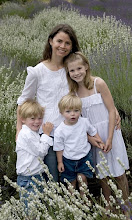

 Posts
Posts


